Intro: Protecting your investment in Natick, MA
Homeowners in Natick, MA know how New England seasons demand extra care for exterior systems. A regular seasonal maintenance routine for garage door installation keeps your garage secure, reduces repair costs, and extends the life of tracks, springs, and openers. This guide focuses on practical, local steps you can take each season to protect your investment in a new garage door installation and ensure reliable operation year-round.
Why seasonal maintenance matters
Garage doors move far more than most people expect, and a proper garage door installation followed by routine seasonal checks prevents small problems from becoming safety hazards. Moisture, road salt, freeze-thaw cycles, and summer storms accelerate rust, warp, and hardware fatigue. When you prioritize seasonal maintenance for your garage door installation, you lower the chance of emergency repairs and help keep warranties intact.
Spring & Summer checklist
Warm months are ideal for preventive tasks after snow and ice melt. Do these checks after spring storms and again before peak heat:
- Visual inspection: examine panel seals, hinges, rollers, and cables for rust, dents, or loose bolts. If a prior garage door installation left gaps, note them for sealing.
- Tracks: clear debris, wipe clean, and check for dents or alignment issues. Do not grease tracks—light lubrication on rollers works better.
- Lubrication: use silicone spray or a recommended lubricant on rollers, hinges, and bearings; avoid heavy grease on nylon parts.
- Balance test: disconnect the opener and lift the door halfway. It should hold steady. If not, the original garage door installation springs may need professional adjustment.
- Openers & sensors: test auto-reverse and photo-eye sensors; clear any foliage or dirt blocking the beam.
- Finish care: touch up rust spots and re-seal or repaint wood doors to reduce moisture damage.
Fall & Winter checklist
Cold weather exposes different vulnerabilities. Preparing in autumn prevents frozen parts and unsafe failures in winter.
- Weatherstripping: replace compressed or cracked seals so wind-driven snow and cold air stay out. A good garage door installation includes proper sealing; if yours is failing, schedule a correction.
- Tighten hardware: temperature changes loosen bolts—inspect and tighten hinge and track fasteners.
- Low-temp lubricant: switch to lubricants rated for cold climates to keep springs and rollers moving smoothly.
- Insulation: consider insulating the door to reduce condensation and protect opener electronics; a professional garage door installation can include insulated panels or retrofit options.
- Threshold and drainage: clear gutters and entry drains so melting snow doesn’t pool at the base of the door.
Quick checks after storms
After heavy wind, hail, or localized flooding, do a rapid safety check. Operate the door slowly and watch the travel. If you see gaps, bent panels, or hear grinding, document damage with photos. If damage looks structural, your warranty may cover issues tied to the original garage door installation—save photos and service records for the claim.
Step-by-step seasonal tasks you can do
These short, repeatable tasks keep small issues from growing:
- Monthly: wipe down tracks, test auto-reverse, and cycle the door several times while listening for odd noises.
- Quarterly: check balance, tighten visible fasteners, inspect weatherseal edges for cracking.
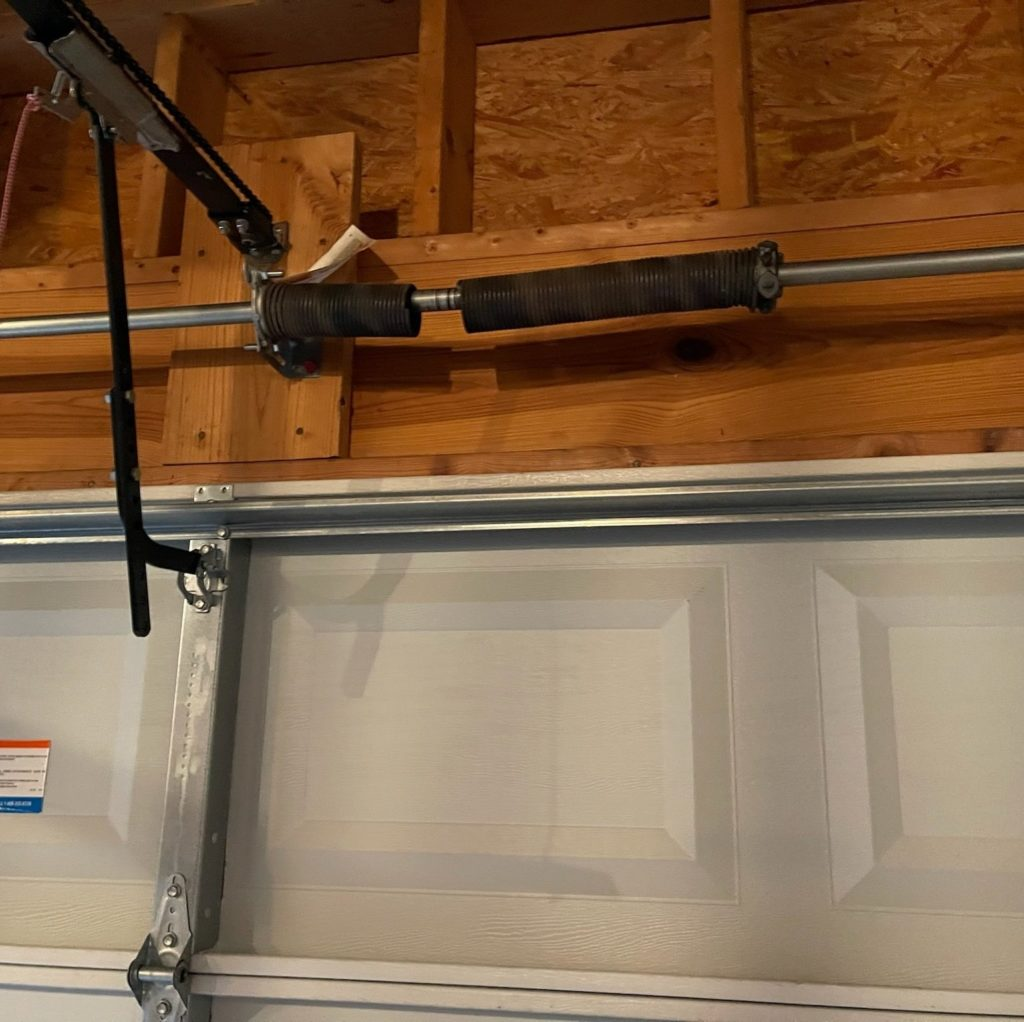
- Annually: have a pro inspect springs, cables, and opening mechanism. Professional checks identify worn torsion springs or frayed cables before they fail.
When to call a pro
DIY maintenance handles cleaning, lubrication, and basic inspections. But leave spring replacements, cable repairs, track realignment, and opener diagnostics to trained technicians. If you smell burning, hear metal snapping, or the door won’t stay balanced, reach out right away.
Read seasonal case studies and troubleshooting tips on our blog. To schedule a safety inspection or emergency visit, use our contact page. For replacements, upgrades, and full-service options, see our services.
Technicians can advise on whether a repair suffices or a new garage door installation is the smarter long-term choice. In Natick, MA, local installers understand how road salt and freeze-thaw cycles affect materials and can recommend hardware rated for our microclimate.
Costs, timelines, and permits
The timeline for a garage door installation usually ranges from a half-day for a simple opener swap to a full day for a standard sectional door; custom doors or complex modifications can take two days or more. Typical residential garage door installation costs vary by material, insulation, and hardware—budget for the door, springs, opener, and labor. When budgeting for garage door installation, include insulation, wind-rated hardware (if needed), and disposal fees.
Permits and code considerations in Natick
Most basic garage door replacements do not require a building permit, but structural changes, electrical work for openers, or new construction may. Check with the Town of Natick building department before a major garage door installation or retrofit. If a permit is required, a licensed contractor can usually handle submissions.
Warranties and recordkeeping
Keep a folder of invoices and the original garage door installation paperwork to preserve warranty claims. If a seasonal inspection finds a defect covered by the manufacturer’s or installer’s warranty, having the original installation documentation speeds service and reduces disputes.
DIY safety and tools
Never attempt spring removal or cable replacement yourself; torsion springs store dangerous energy. Use common tools for safe tasks: soft brush, silicone lubricant, mild detergent, a 6–8 ft ladder, and a level for balance checks. Mark the date of each maintenance entry in a calendar or app so you don’t skip annual professional inspections.
Choosing materials that last in Natick
When planning a garage door installation in Natick, MA, choose finishes and materials that tolerate salt, moisture, and seasonal swings. Galvanized or baked-enamel steel resists rust; composite or aluminum with a factory finish offers low maintenance. Wood is attractive but requires more seasonal care and refinishing.
A professional garage door installation will match track size, spring rating, and opener torque to the door’s weight and usage patterns—ask for local references and examples of previous installations in Natick neighborhoods.
Seasonal checklist summary
- Spring: clean tracks, test balance, service opener, replace weatherstripping if needed after winter.
- Summer: check for rust, tighten hardware, touch up paint or finish.
- Fall: tighten bolts, insulate or prep the door, switch to cold-weather lubricant.
- Winter: keep threshold clear, test sensors, avoid slamming frozen seals.
Following this seasonal maintenance guide after a garage door installation keeps systems working smoothly and prevents inconvenient failure at the worst possible time.
Need help now? If you prefer a professional inspection or estimate tailored to Natick weather and house type, call to schedule a local visit.
Frequently asked questions — Natick homeowners
Q: How does Natick winter affect my garage door springs and opener?
A: Cold temperatures thicken lubricants and can reduce spring flexibility. Test balance and use a low-temperature lubricant. If the opener strains or the door hesitates, call a technician—spring failure risk rises in cold weather.
Q: How long does a typical residential garage door installation take?
A: For a standard single- or double-sectional door, expect one workday for removal and installation. Opener swaps can be half a day. Custom doors, structural changes, or electrical work may add extra time.
Q: What price range should Natick homeowners expect for a new door?
A: Basic steel doors with standard openers start lower, while insulated, wood-look, or custom aluminum doors cost more. Typical full garage door installation budgets commonly range from modest to premium depending on finish, insulation, and hardware—ask for written estimates.
Q: Do I need a permit in Natick for a garage door installation?
A: Simple like-for-like replacement often doesn’t need a permit, but structural changes, electrical work, or enlarging an opening usually do. Check the Town of Natick building department or ask your contractor to confirm.
Q: How can I protect my warranty after installation?
A: Keep original installation paperwork and service receipts. Follow the manufacturer’s maintenance schedule and have annual professional inspections documented—many warranties require regular maintenance to remain valid.
Helpful local resources in Natick, MA
- Garage Door Repair Boston
- Garage Door Repair Cambridge
- Garage Door Repair Newton
- Garage Door Repair Lexington
- Garage Door Repair Wellesley
- Garage Door Repair Brookline
- Garage Door Repair Somerville
- Garage Door Repair Burlington
- Garage Door Repair Andover
- Garage Door Repair Weston
- Garage Door Repair Belmont
- Garage Door Repair Westwood
- Garage Door Repair Sharon
- Garage Door Repair Needham
- Garage Door Repair Concord
- Garage Door Repair Hingham
- Garage Door Repair Scituate
- Garage Door Repair Marblehead
- Garage Door Repair Natick
- Garage Door Repair Milton
- Garage Door Repair Acton
- Garage Door Repair Medfield
- Garage Door Repair Sudbury
- Garage Door Repair Wayland
- Garage Door Repair Hanover
- Garage Door Repair Tewksbury
- Garage Door Repair Carlisle
- Garage Door Repair Dover
- Garage Door Repair Hopkinton
- Garage Door Repair Framingham