Introduction: Safety First for Natick, MA Homeowners
If you live in Natick, MA and are planning a garage door installation, safety should be your top priority. A proper garage door installation protects your family, your vehicle, and your home’s energy performance. This guide focuses on practical steps homeowners can take during planning, installation, and the first year of ownership to reduce risk and avoid costly mistakes.
Plan Ahead: Preparing for a Safe Garage Door Installation
Preparation reduces surprises. Before any work begins, take a clear look at the opening, the garage structure, and access for tools and vehicles. If you’re researching options, our services page explains common systems and upgrades that affect safety during installation.
Choose the right door and hardware
- Pick a door that matches your opening dimensions and wind-load requirements for eastern Massachusetts. Incorrect sizing forces installers into risky adjustments.
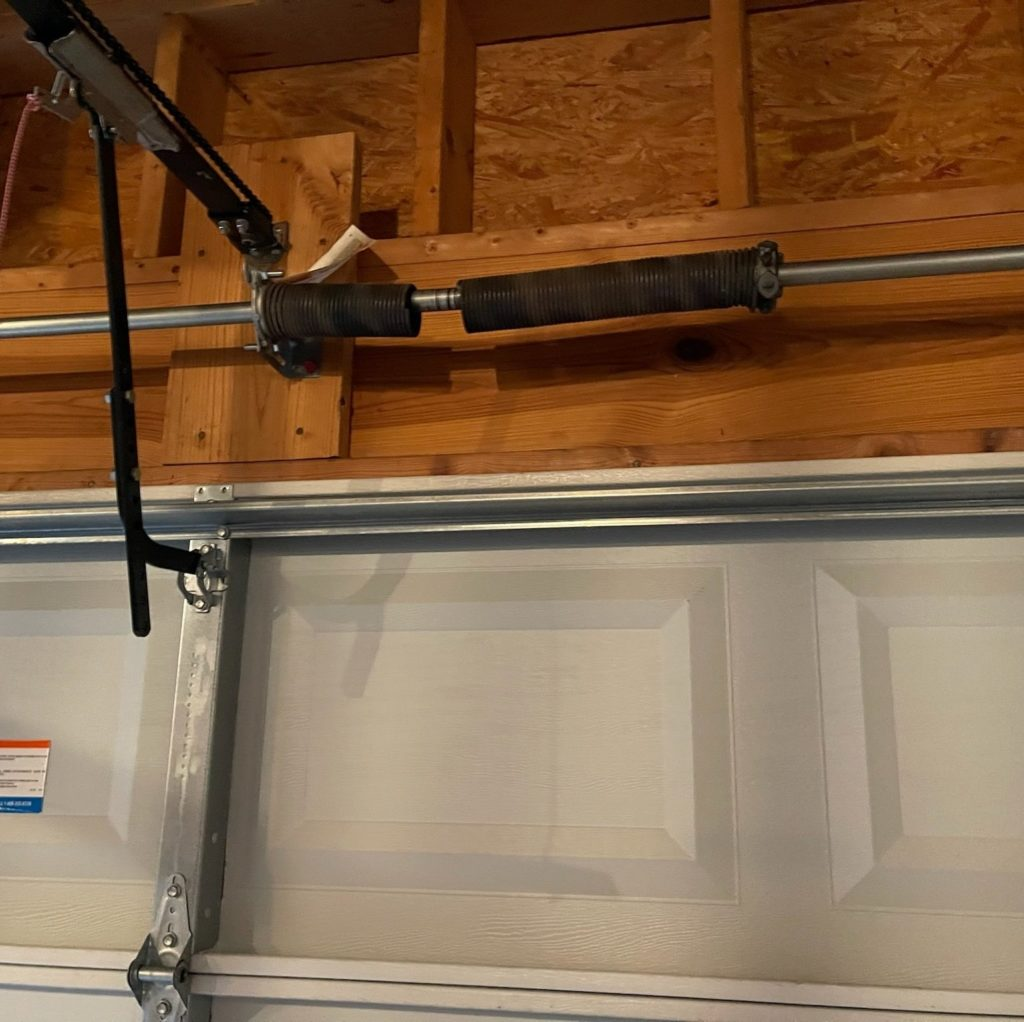
- Confirm the hardware grade. Heavy-duty springs, ball-bearing rollers, and reinforced struts reduce failure risk and are important for longevity.
- Consider options like pinch-resistant doors and tamper-resistant brackets for families with children.
Verify local codes and permits
Town and state rules sometimes require permits or inspections for structural changes. Contact the Natick building department if you’re unsure; incorrect permits can delay inspection and leave your installation noncompliant.
During Installation: Contractor Best Practices and What to Watch For
When hiring a contractor for garage door installation, confirm their methods before work starts. A safe installation follows clear steps: secure mounting points, correct spring tensioning, and safe motor wiring if installing an opener.
Hire qualified, insured technicians
- Ask for proof of insurance and workers’ compensation. That protects you if a technician is injured on your property.
- Check references and local reviews. Look for recent Natick-area projects and ask about post-installation service.
- Confirm the company follows manufacturer torque/tension specs for springs; improper setup is the most common safety hazard.
On-site safety checks you can request
- Proper anchoring: fasteners should be into solid framing, not just drywall or fascia.
- Spring balance test: the door should stay in place when partially opened. Ask to see the balance test and hear the explanation.
- Auto-reverse and photo-eye alignment: test the opener’s safety sensors with an object to confirm the door reverses.
- Wiring and outlet safety: opener wiring should be secured, with a dedicated outlet where required and proper strain relief on cords.
After Installation: Maintenance to Preserve Safety and Performance
New installations need attention in the first months. Regular checks help catch wear or mistakes early. This is especially important in MA where seasonal temperature swings affect metal components.
First-week inspection
- Watch for unusual noises during the first week — squeaks or loud bangs can indicate loose hardware or spring issues.
- Verify remote controls and keypad locks work consistently, and keep a copy of the opener manual and installation invoice for warranty proof.
Seasonal maintenance tasks
- Lubricate springs, rollers, and hinges twice a year with a silicone-based or garage-door-specific lubricant.
- Tighten fasteners and check tracks for dents or debris after winter salt and spring storms.
- Test the auto-reverse every month with a roll of paper towel or a 2×4 laid flat; the door should reverse on contact or when the beam is interrupted.
Special Considerations for Natick Weather and Residential Service Needs
Natick experiences cold winters and warm summers. Temperature swings affect torsion spring tension and opener performance. For that reason, choose components and a contractor familiar with local conditions.
Material choices and insulation
Insulated garage doors help stabilize internal temperatures and reduce condensation, which protects metal parts from accelerated corrosion. If your garage houses utilities or a workshop, an insulated door is both a safety and comfort upgrade.
When to call a pro vs. DIY
Simple tasks like changing remote batteries or tightening loose brackets are suitable for confident homeowners. Anything involving springs, cables, or motorized opener troubleshooting should be left to trained technicians. If you need local help, call us or use our contact page to schedule an inspection.
Cost, Timelines, and Warranties: What Natick Homeowners Should Expect
Pricing varies with door type, opener class, and labor. Typical residential garage door installation for a standard single or double door in this region will include materials, labor, and disposal of the old door. Ask for a clear written estimate and warranty terms before work begins.
- Timeline: most full-install jobs take one day; complex trim or motor upgrades may take two.
- Pricing ranges: entry-level steel doors are least expensive; insulated or custom wood doors cost more. Always request itemized estimates to compare apples to apples.
- Warranties: verify both manufacturer and installer warranties—springs and openers often carry separate coverage.
For local maintenance plans and scheduled service in Natick, see the helpful resources on our blog which covers seasonal checklists and common local issues.
Quick Safety Checklist Before You Close the Garage
- Confirm balanced door and smooth travel.
- Test auto-reverse and photo-eyes.
- Check anchors and hardware tightness.
- Review opener wiring and emergency release operation.
- Save installation receipts and warranty paperwork in a safe place.
Taking these steps will improve safety and extend the life of your garage doors and opener. If you prefer professional installation or annual maintenance, a licensed local team can ensure the job meets code and performance expectations.
Frequently Asked Questions — Natick, MA
Do I need a permit for garage door installation in Natick?
Often yes for structural modifications or when installing a heavier, wind-rated door. Contact Natick Building Department or ask your installer to confirm permit needs before the job starts.
How long does a typical residential garage door installation take?
Most standard installations in Natick take one day. If you add insulation, custom trim, or a new opener, expect 1–2 days. Weather or permit delays can extend that timeline.
What price range should I expect for a safe, quality installation?
Costs vary: entry-level steel doors with basic openers are the most affordable; insulated or custom wood doors plus premium openers increase the price. Get itemized estimates and compare warranty coverage.
Are there warranty considerations specific to Massachusetts?
Warranty terms are manufacturer- and installer-specific. Keep proof of purchase and have your installer register warranties when required. Some warranties may void if non-certified installers worked on the door.
How does New England weather affect my new garage door?
Temperature swings can change spring tension and cause condensation. Choose corrosion-resistant hardware, consider insulation, and schedule seasonal inspections to keep parts working safely year-round.
Helpful local resources in Natick, MA
- Garage Door Repair Boston
- Garage Door Repair Cambridge
- Garage Door Repair Newton
- Garage Door Repair Lexington
- Garage Door Repair Wellesley
- Garage Door Repair Brookline
- Garage Door Repair Somerville
- Garage Door Repair Burlington
- Garage Door Repair Andover
- Garage Door Repair Weston
- Garage Door Repair Belmont
- Garage Door Repair Westwood
- Garage Door Repair Sharon
- Garage Door Repair Needham
- Garage Door Repair Concord
- Garage Door Repair Hingham
- Garage Door Repair Scituate
- Garage Door Repair Marblehead
- Garage Door Repair Natick
- Garage Door Repair Milton
- Garage Door Repair Acton
- Garage Door Repair Medfield
- Garage Door Repair Sudbury
- Garage Door Repair Wayland
- Garage Door Repair Hanover
- Garage Door Repair Tewksbury
- Garage Door Repair Carlisle
- Garage Door Repair Dover
- Garage Door Repair Hopkinton
- Garage Door Repair Framingham