Intro: Decide what’s right for your Natick, MA home
If you own a house in Natick, MA, you’ll face maintenance choices about garage doors sooner or later. One common question is whether a quick garage door repair is a DIY weekend project or a job for a professional. This guide helps homeowners weigh risks, costs, and local factors so they can choose the safest, most cost-effective path.
When DIY Makes Sense
Not every garage door repair requires a pro. There are low-risk tasks that many homeowners can complete with basic tools and care. Typical DIY-friendly jobs include:
- Replacing remote batteries or keypad batteries
- Lubricating rollers, hinges, and the torsion or extension springs per manufacturer guidance
- Adjusting photo-eye alignment
- Tightening loose hardware and hinge bolts
- Replacing weatherstripping or the bottom seal
For these minor fixes, garage door repair parts are widely available. Follow the door manufacturer’s instructions, use safety glasses, and disconnect power before servicing an opener. If you want step-by-step tips or local how-tos, see our blog for maintenance articles and quick videos.
Tools and safety basics for DIY
- Adjustable wrench, socket set, and pliers
- Lubricant rated for garage door hardware
- Clamps or C-clamps to prevent accidental door movement
- Manual release knowledge for the opener (how to pull the red cord)
Even when you plan a simple garage door repair, work slowly and never test a spring or cable under tension without proper blocking and knowledge.
When to Call a Professional
There are clear limits to DIY repairs. Hire trained technicians when the repair involves high tension, complex electronics, or structural concerns. Common situations that require professional garage door repair include:
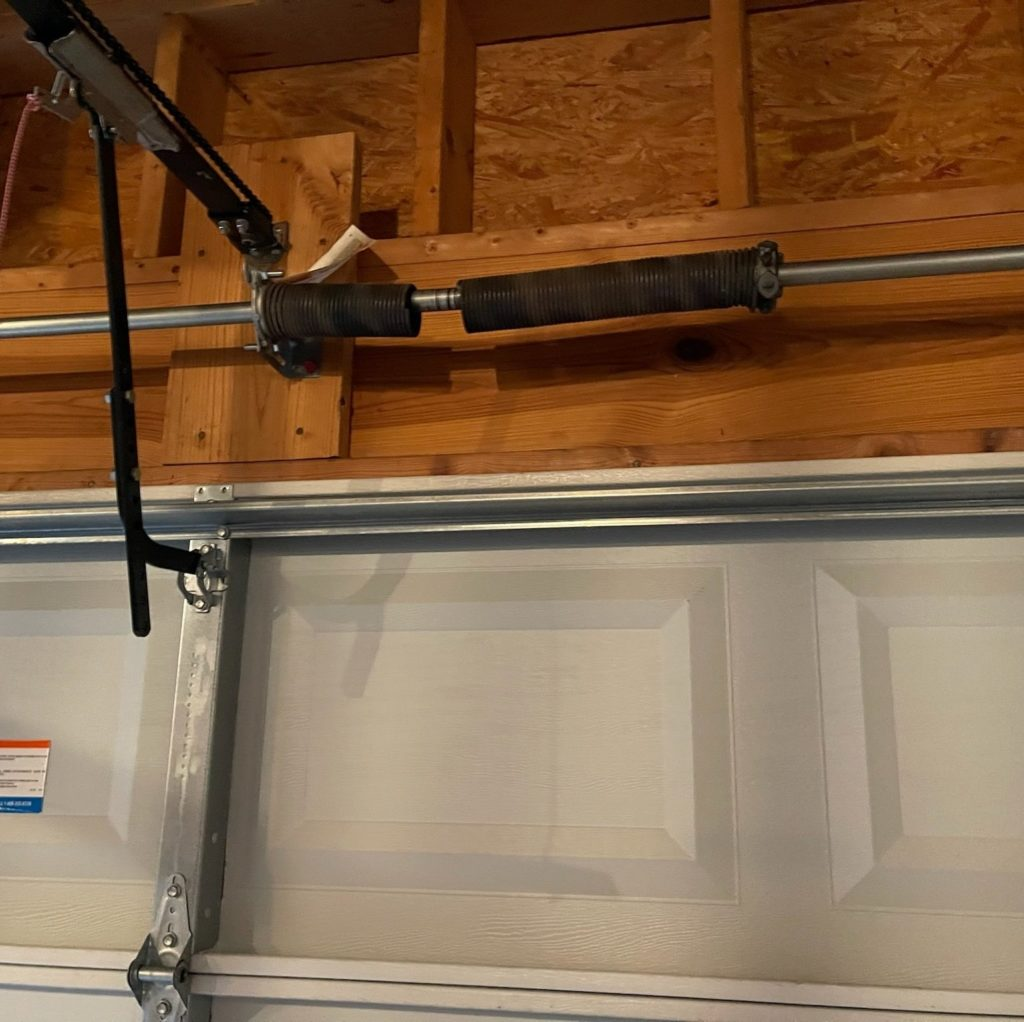
- Broken torsion or extension springs
- Frayed or snapped cables
- Severely bent tracks or off-track doors
- Malfunctioning openers with gearbox or circuit issues
- Doors that won’t balance or close properly despite simple adjustments
Pros bring calibrated tools, replacement springs sized to the door, and experience that prevents injury and additional damage. For a full list of services we offer, check our services page.
Safety and liability
Spring and cable failures are dangerous. A broken torsion spring can snap with lethal force. Improperly installed replacement parts may void warranties or create a hazard. Hiring licensed garage door repair technicians reduces risk and provides warranty coverage on labor and parts.
Cost, Timeline, and Local Considerations in Natick
Deciding between DIY and professional help often comes down to money and timing. In Natick and surrounding MA towns, expect these broad ranges for common issues:
- Remote/keypad battery or basic sensor alignment: $0–$50 (DIY) or $75–$150 service call
- Weatherstripping or bottom seal replacement: $30–$150 DIY, $100–$250 pro
- Opener repairs (belt/chain adjustment, minor parts): $150–$400
- Spring replacement (single spring): $150–$300; torsion spring systems can be $200–$500
- Full door replacement: $800–$3,000+ depending on style and insulation
These are local estimates for garage door repair and may vary by door size, material, and whether you need emergency same-day service. Cold New England winters can stiffen components and reveal hidden problems; springs and batteries are prone to failure during rapid temperature swings. If you face an urgent failure in winter, call a pro rather than attempting risky fixes outdoors in icy conditions.
Permits, codes, and HOA rules
Most minor repairs don’t require permits in Natick, but larger replacements—especially if you alter structural openings or install new electric wiring—may. Check local building department rules if you plan a full door replacement or modify the header. Homeowners in neighborhoods with HOAs should also confirm permitted styles and colors before buying a new garage door.
Step-by-step: A Practical DIY Checklist
If you choose DIY for a simple garage door repair, use this checklist to stay safe and organized.
- Gather tools and a flashlight. Turn off opener power at the breaker.
- Inspect tracks for debris, dents, and alignment; clear obstructions.
- Check rollers and hinges for wear; lubricate moving parts with a silicone or garage-door lubricant.
- Test the balance: with power disconnected, manually lift the door to waist height—if it’s heavy or slams, stop and call a pro.
- Test safety sensors: clean lenses and ensure they face each other at the same height.
- Replace weather seal or batteries if needed, then reconnect power and run the opener through a cycle.
If these steps don’t resolve the issue or you encounter a broken spring, stop and contact a technician. For quick scheduling or on-site estimates in Natick, reach out through our contact page or call to discuss options.
Making the Right Choice for Your Home
Home improvement decisions should balance safety, long-term cost, and convenience. Small maintenance items are excellent DIY projects that extend the life of your garage doors. For high-risk repairs, wiring, or when warranty coverage matters, professional garage door repair delivers safety, proper parts, and documented work.
Remember: a rushed DIY attempt on a torsion spring or cable can cost far more than a professional service call. When in doubt, get a professional inspection to avoid surprises.
Final tips for Natick homeowners
- Document repairs with photos and receipts—useful for insurance or resale.
- Schedule annual maintenance to catch wear before it becomes an emergency.
- Ask for written estimates and warranties for parts and labor when hiring pros.
- Confirm local permit requirements for major replacements before work begins.
Quality garage door repair protects your property and family. Whether you tackle small fixes yourself or hire a trained technician, make safety and proper parts your priorities.
Frequently Asked Questions — Natick, MA
Q: Does a broken garage door spring require an emergency visit in winter in Natick?
A: Yes. Broken springs are a safety hazard and can leave your home unsecured during cold weather. In Natick’s winter, call a licensed technician for same-day garage door repair to avoid further damage or exposure.
Q: How long does a typical spring replacement take?
A: A standard torsion spring replacement usually takes 60–90 minutes for an experienced crew, including testing. Complex systems or matched spring pairs may take longer. Ask the technician for a projected timeline when they arrive.
Q: What price range should Natick homeowners expect for common repairs?
A: Minor fixes like sensor alignment or battery replacement often cost under $150 if you hire someone. Spring replacements typically range $150–$500 depending on door size and spring type. Get a written estimate before work starts.
Q: Will a professional warranty cover my garage door repair?
A: Reputable local companies typically offer limited warranties on labor and parts. Confirm the warranty length and coverage in writing, and keep invoices for future claims.
Q: Do I need a permit in Natick to replace my garage door?
A: Minor repairs rarely require permits, but full door replacements that change structural openings, headers, or electrical systems may. Check Natick building department rules or ask your contractor to confirm permit requirements.
Helpful local resources in Natick, MA
- Garage Door Repair Boston
- Garage Door Repair Cambridge
- Garage Door Repair Newton
- Garage Door Repair Lexington
- Garage Door Repair Wellesley
- Garage Door Repair Brookline
- Garage Door Repair Somerville
- Garage Door Repair Burlington
- Garage Door Repair Andover
- Garage Door Repair Weston
- Garage Door Repair Belmont
- Garage Door Repair Westwood
- Garage Door Repair Sharon
- Garage Door Repair Needham
- Garage Door Repair Concord
- Garage Door Repair Hingham
- Garage Door Repair Scituate
- Garage Door Repair Marblehead
- Garage Door Repair Natick
- Garage Door Repair Milton
- Garage Door Repair Acton
- Garage Door Repair Medfield
- Garage Door Repair Sudbury
- Garage Door Repair Wayland
- Garage Door Repair Hanover
- Garage Door Repair Tewksbury
- Garage Door Repair Carlisle
- Garage Door Repair Dover
- Garage Door Repair Hopkinton
- Garage Door Repair Framingham