In Natick, MA, choosing the right materials for garage door repair starts with understanding our local weather and housing stock. Homeowners here face cold, wet winters and variable springs, so material choice affects durability, insulation, maintenance, and long-term cost. This guide breaks down common options and practical steps so you can plan a repair or replacement with confidence.
Why materials matter for garage door repair
The material your door and its components are made from determines how well a garage door repair holds up. Salt, freeze-thaw cycles, and coastal humidity in parts of Massachusetts increase corrosion risk. Choosing appropriate metals, composites, and finishes reduces repeat repairs and improves energy efficiency for your home improvement budget.
Common materials: pros, cons, and when to pick them
Steel
Steel is the most common choice for garage doors and a frequent target in garage door repair. Pros: strong, widely available, and cost-effective. Cons: can rust if the finish is damaged and may dent under impact. For Natick homeowners, pick galvanized or painted steel with a rust-resistant primer and consider a higher-gauge panel for heavier-duty use.
Aluminum
Aluminum resists corrosion better than steel, which helps in humid or coastal-influenced areas. It’s lighter, so springs and openers see less wear—this reduces some repair frequency. However, aluminum panels dent more easily and offer less insulation unless paired with an insulated core.
Wood and wood-composite
Wood doors offer classic curb appeal and are common in older residential neighborhoods. They are heavier and require more maintenance—sealing, repainting, and regular inspections—so expect higher long-term maintenance when planning garage door repair. Wood-composite options mimic wood grain but often require less upkeep and resist rot better.
Fiberglass and vinyl
Fiberglass and vinyl are low-maintenance, resist rust and rot, and are good for insulated doors. They can discolor in strong sun over many years and may crack in extreme cold. For many homeowners seeking low-maintenance residential service, these materials are a good middle ground.
Insulation and thermal performance
Insulation is a material decision that affects comfort and energy bills. When a technician evaluates garage door repair needs, they’ll recommend insulation levels (R-values) appropriate for the garage’s use. If you use the garage as a workshop, or if it adjoins living space, choose insulated steel or composite doors with high R-values.
Common insulation types
- Polystyrene: lightweight, affordable, good basic insulation.
- Polyurethane: denser, higher R-value, fills panels for better strength.
- Reflective layers: supplement insulation in mixed constructions.
Upgrading insulation often occurs during a larger garage door repair or replacement project. Consider lifecycle cost: better insulation can lower winter heating losses in a Natick home.
Hardware and accessory materials
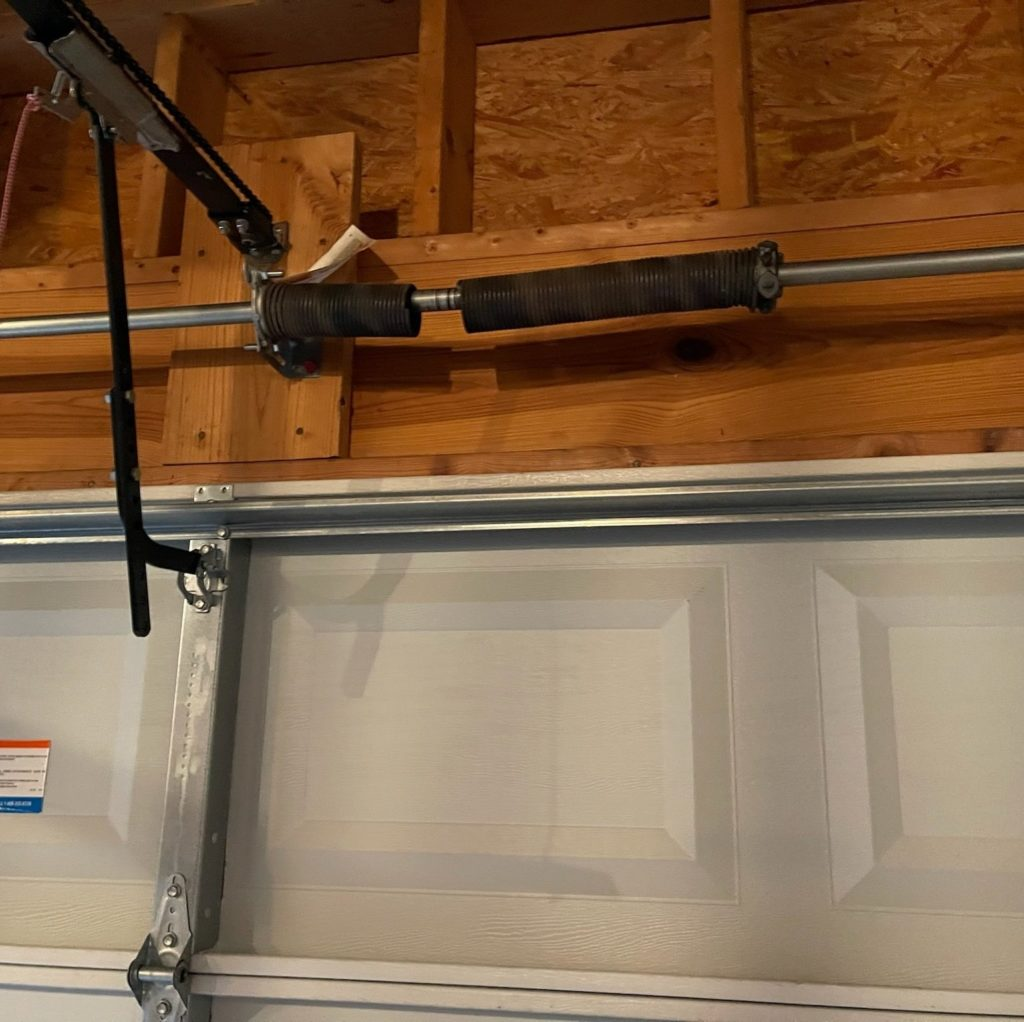
Long before you call for a service, check hardware materials. Springs, rollers, tracks, and fasteners should be matched to local conditions. Galvanized steel tracks avoid rust; nylon rollers reduce noise and last longer than metal rollers; oil-tempered springs offer strength and predictable fatigue life.
When scheduling a residential garage door repair, prioritize replacing worn springs and using corrosion-resistant fasteners—small material choices that prevent frequent callbacks.
Budgeting and lifecycle decisions
Deciding between repair and replacement often hinges on materials and cost. A judicious garage door repair with higher-grade materials can extend service life and defer replacement. Conversely, if panels are warped or insulation is poor, replacement with better materials is often the more economical long-term choice.
- Low-cost repairs: patching panels, replacing rollers, minor hardware—use cost-effective steel and standard finishes.
- Mid-range: upgrade to insulated steel or aluminum and replace springs and opener for better performance.
- Premium: composite or wood-look doors with high R-values, rust-resistant hardware, and extended warranties.
For project planning, a local contractor offering garage door repair can provide a materials breakdown and estimate tailored to Natick properties. For routine tips and seasonal advice, see our blog.
Maintenance tips to protect your material investment
Proper maintenance reduces the frequency of garage door repair visits. Simple tasks a homeowner can do:
- Inspect the finish on steel panels and touch up paint to prevent rust.
- Lubricate rollers and hinges annually with recommended lubricant.
- Check weatherstripping and replace if cracked to maintain insulation.
- Schedule spring and balance checks with a pro—springs are dangerous to adjust without tools and training.
If an inspection reveals worn springs, frayed cables, or bent tracks, contact our team for professional residential service: https://garagedoors-natick.com/contact.
Choosing a contractor for material-specific repairs
When hiring for garage door repair, ask about materials experience, warranty on parts, and installation standards. A skilled installer will explain trade-offs: a heavier door needs stronger springs and possibly an upgraded opener; a high-insulation door requires precise track alignment to avoid stress. Confirm the contractor’s recommended materials align with your local climate and house construction.
For a full list of services, material options, and professional guidance, visit our services page: https://garagedoors-natick.com/services.
Final checklist before you approve a repair or replacement
- Confirm material types for panels, insulation, and hardware.
- Ask for R-values and warranty terms in writing.
- Request photos or samples of finishes and ask about maintenance needs.
- Compare lifecycle costs, not just upfront price, for long-term savings.
Choosing the right materials reduces repeat garage door repair calls and improves curb appeal and energy efficiency. If you need a local inspection or a written recommendation for materials suited to Natick homes, our technicians can provide an on-site estimate and timeline.
Local note: permit requirements in Natick are minimal for most door repairs, but replacement that changes door size or structural openings may require building permits—ask your contractor to check local codes before work begins.
Ready to schedule an inspection or get material samples? Contact us and we’ll match materials to your priorities: durability, insulation, or historic appearance. Call us today to discuss options and get a timeframe for the repair.
Frequently Asked Questions — Natick, MA
Q: How does Natick winter weather affect material choice for garage door repair?
A: Cold and wet winters increase the risk of metal corrosion and freeze-thaw damage. Choose galvanized or painted steel with rust inhibitors, or aluminum/fiberglass for better corrosion resistance. Insulation helps prevent condensation and heat loss.
Q: How long will a typical repair take in town?
A: Most spring, roller, or opener repairs are same-day or next-day and finish in 1–3 hours. Full-panel replacements or insulated-door installations usually take a full day depending on material delivery and complexity.
Q: What price range should Natick homeowners expect for parts and labor?
A: Minor repairs (rollers, sensors, weatherstripping) typically run under $300. Spring replacement or opener repairs are commonly $200–$600. Full door replacement with mid-range materials often falls between $1,000 and $3,000 depending on insulation and hardware upgrades.
Q: Do materials come with warranties here and what should I watch for?
A: Most manufacturers offer 1–10 year warranties on panels and springs; hardware warranties vary. Confirm what the warranty covers (finish, structural failure, hardware) and whether labor is included. Keep receipts and service records for warranty claims.
Q: Will I need a permit for a material or door change?
A: Routine repairs rarely need a permit. If you change the door opening size, alter structural framing, or modify the garage for living space, check Natick building department rules. Ask your contractor to verify permit requirements before work begins.
Helpful local resources in Natick, MA
- Garage Door Repair Boston
- Garage Door Repair Cambridge
- Garage Door Repair Newton
- Garage Door Repair Lexington
- Garage Door Repair Wellesley
- Garage Door Repair Brookline
- Garage Door Repair Somerville
- Garage Door Repair Burlington
- Garage Door Repair Andover
- Garage Door Repair Weston
- Garage Door Repair Belmont
- Garage Door Repair Westwood
- Garage Door Repair Sharon
- Garage Door Repair Needham
- Garage Door Repair Concord
- Garage Door Repair Hingham
- Garage Door Repair Scituate
- Garage Door Repair Marblehead
- Garage Door Repair Natick
- Garage Door Repair Milton
- Garage Door Repair Acton
- Garage Door Repair Medfield
- Garage Door Repair Sudbury
- Garage Door Repair Wayland
- Garage Door Repair Hanover
- Garage Door Repair Tewksbury
- Garage Door Repair Carlisle
- Garage Door Repair Dover
- Garage Door Repair Hopkinton
- Garage Door Repair Framingham