Living in Natick, MA, you expect quiet, comfortable home life — not the clatter of a noisy garage door opener waking the house. For homeowners, understanding practical, safe steps for garage door opener repair can reduce noise, extend equipment life, and improve daily comfort.
Why garage doors get noisy
Noise is rarely caused by a single part. In most homes the complaint that prompts a garage door opener repair is the repetitive grinding, rattling or squealing that comes from worn rollers, loose hardware, unbalanced doors, or an aging opener drive. Cold New England winters in Natick can make metal parts contract and lubricants stiffen, which increases noise and stress on the opener system.
Common noise sources
- Worn or metal rollers: these create clack-clack sounds on each panel section.
- Loose bolts and brackets: rattle as the door moves.
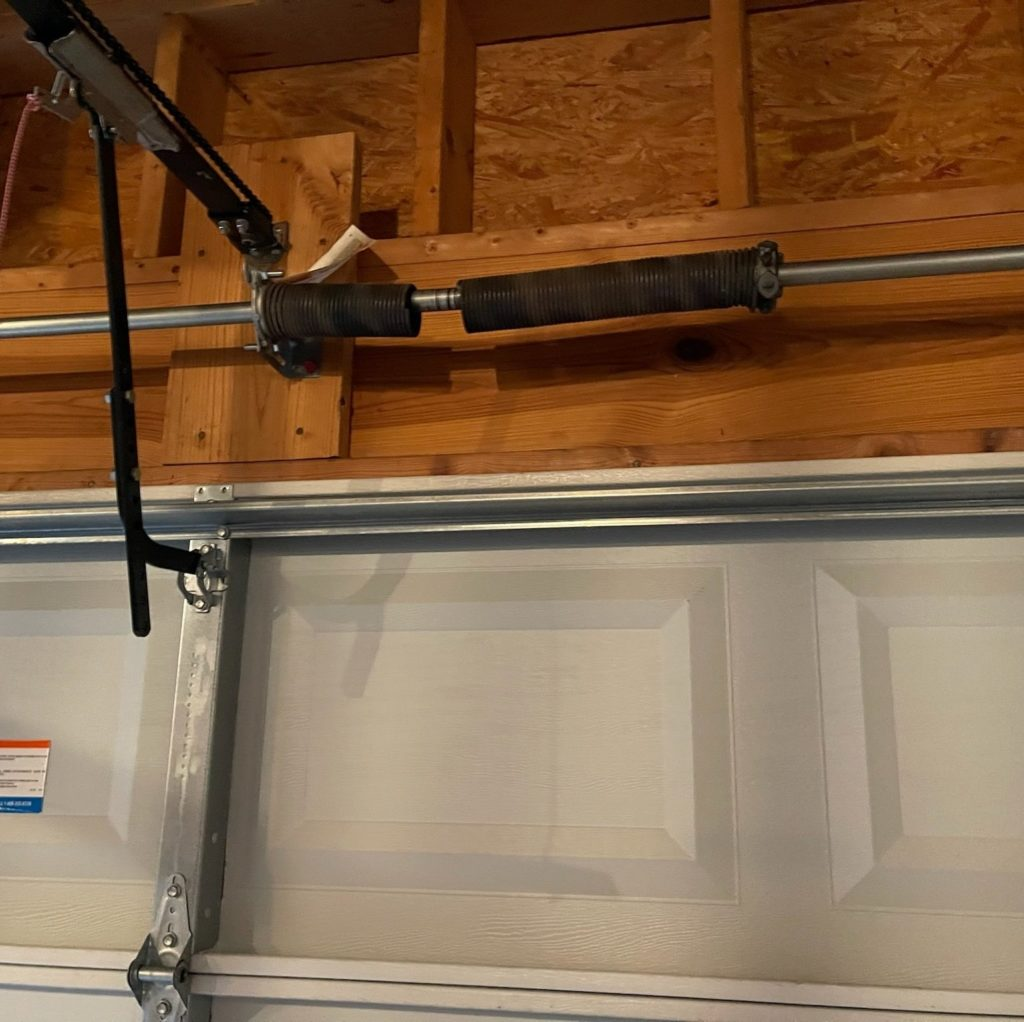
- Unbalanced springs or drums: cause shaking and uneven motor load.
- Opener drive type: chain drives are louder than belt or direct-drive systems.
- Track misalignment and debris build-up: produce scraping and squeaks.
When you read about garage door opener repair, know that diagnosing the noise source is the first practical step. A clear diagnosis prevents unnecessary parts replacement and targets the best noise reduction solution.
Practical noise reduction solutions
Noise reduction starts with simple maintenance and progresses to targeted upgrades. Homeowners can apply several reliable fixes themselves, while others are safer when handled by a trained technician.
Seasonal maintenance you can do
- Inspect rollers and tracks: remove debris and check for bent sections.
- Lubricate moving parts: use a silicone or lithium spray on hinges, rollers (if metal), and springs—avoid over-spraying electronics.
- Tighten hardware: check all fasteners along the track and on the door panels.
- Balance the door: disconnect the opener and manually lift the door halfway—if it drifts, the springs may need adjustment by a pro.
These steps often reduce squeaks and rattles in the short term. However, for sustained noise reduction and to address motor stress, consider the options below.
Upgrade or repair choices for long-term quiet
- Replace metal rollers with nylon or polymer rollers—these run quieter and resist rust.
- Switch from a chain-drive opener to a belt-drive or direct-drive model to cut drive noise substantially.
- Install vibration isolation pads under the opener motor or mounting brackets to reduce transmitted sound to the ceiling and rooms above.
- Add rubber bumpers or closed-cell weatherstripping to the bottom and sides to reduce slamming and wind noise.
- Insulate the garage door panels if temperature swings are worsening noise; insulation also reduces resonance.
- Schedule a professional garage door opener repair tune-up every 1–2 years to keep parts aligned and lubricated.
For homeowners who prefer a professional assessment, our technicians list common upgrades and explain return on investment during a service visit. You can learn about typical projects and timelines on our services page.
When to call a pro in Natick
Some repairs and upgrades are mechanical and safe for the DIY homeowner; others require tools and training. Call for professional garage door opener repair if you notice any of the following:
- Broken or frayed springs—these are under high tension and dangerous.
- Opener motor overheating, burning smells, or electrical issues.
- Persistent vibration after routine maintenance or clanging noises that suggest bent hardware.
- Doors that are out of balance or won’t stay open—this indicates spring or cable failure.
Local conditions in Natick—freeze-thaw cycles, heavier winter salt exposure, and attic insulation types—can influence repair urgency. Most basic garage door opener repair jobs are completed in 1–3 hours; more complex spring replacements or opener swaps may require a full half-day and specific parts.
To schedule a trusted visit, use our contact form and we will help set an appointment: Contact us. For quick how-to guidance and seasonal tips, see our detailed posts at our blog.
Typical pricing ranges (Natick area)
- Roller replacement (per door): modest—often under $150 for parts and labor.
- Spring replacement: moderate—commonly $200–$400 depending on spring type and door size.
- Opener replacement: varies—chain to belt upgrades typically run $300–$700 installed, depending on horsepower and smart features.
- Insulation and panel work: depends on door; expect $300+ for full insulation and sealing jobs.
These are rough ranges; technicians provide accurate quotes after inspection. Many homeowners find that replacing noisy chain-drive openers with belt drives pays off in reduced noise and longer-term satisfaction.
Checklist: quick actions for quieter operation
- Monthly: visually inspect rollers, tracks, and opener mount.
- Every 6–12 months: lubricate moving parts and tighten hardware.
- Annually: test door balance and safety sensors; schedule a professional tune-up.
- After any storm or heavy snow: clear debris and check for impact damage.
Following a simple checklist reduces emergency repairs and keeps your opener from overworking. If the door still sounds loud after basic maintenance, an upgrade or targeted repair is the next step.
Final recommendations for Natick homeowners
Reduce noise without sacrificing safety: begin with inspection, follow with maintenance, and choose upgrades where they deliver the best value. Whether the goal is a quieter garage, a longer-lasting opener, or a smoother daily routine, a focused garage door opener repair plan is an effective home improvement investment in Natick, MA.
Need a local estimate or a safety inspection? Our team provides clear recommendations and fixed-price options for common noise reduction work. Reach out through our contact page to set a convenient appointment.
Frequently Asked Questions — Natick, MA
Q: Does Natick winter weather make garage door openers louder?
A: Yes. Cold temperatures can thicken lubricants and make metal parts contract, increasing friction and noise. A seasonal lubrication and a balance check in early fall and late winter reduce cold-weather noise.
Q: How long does a typical garage door opener repair take in Natick?
A: Most routine repairs (rollers, tracks, hardware tightening) take 1–3 hours. Spring or full opener replacements may take half a day depending on parts availability and complexity.
Q: What price ranges should I expect for quieting upgrades?
A: Expect modest costs for rollers or dampers ($100–$300) and higher costs for upgrading to a belt-drive opener ($300–$700 installed). We provide local estimates after inspection.
Q: Are there permits or code concerns for garage door spring or opener replacements in MA?
A: Most residential garage door repairs don’t require permits, but some structural changes or conversions may. Licensed technicians will inform you if a permit is needed for your project in Natick.
Q: Do warranties cover noise issues after repair?
A: Parts and labor warranties vary by manufacturer and installer. Ask for written warranty terms up front; many new openers include parts warranties and installers offer labor guarantees for a set period.
Helpful local resources in Natick, MA
- Garage Door Repair Boston
- Garage Door Repair Cambridge
- Garage Door Repair Newton
- Garage Door Repair Lexington
- Garage Door Repair Wellesley
- Garage Door Repair Brookline
- Garage Door Repair Somerville
- Garage Door Repair Burlington
- Garage Door Repair Andover
- Garage Door Repair Weston
- Garage Door Repair Belmont
- Garage Door Repair Westwood
- Garage Door Repair Sharon
- Garage Door Repair Needham
- Garage Door Repair Concord
- Garage Door Repair Hingham
- Garage Door Repair Scituate
- Garage Door Repair Marblehead
- Garage Door Repair Natick
- Garage Door Repair Milton
- Garage Door Repair Acton
- Garage Door Repair Medfield
- Garage Door Repair Sudbury
- Garage Door Repair Wayland
- Garage Door Repair Hanover
- Garage Door Repair Tewksbury
- Garage Door Repair Carlisle
- Garage Door Repair Dover
- Garage Door Repair Hopkinton
- Garage Door Repair Framingham