Homeowners in Natick, MA face a mix of weather and wear that affects how long a garage system lasts. This practical guide explains when to replace parts during a garage door replacement so you can plan repairs, budgets, and timelines with confidence.
Why the right timing matters
Replacing worn components at the right moment prevents safety risks, avoids repeat service calls, and protects an investment in a new door or opener. A planned garage door replacement that addresses individual part failure is more cost-effective than emergency fixes after a breakdown.
Key parts to watch and when to replace them
Below are the most commonly replaced items during a garage door replacement, with clear signs to look for.
Springs (torsion and extension)
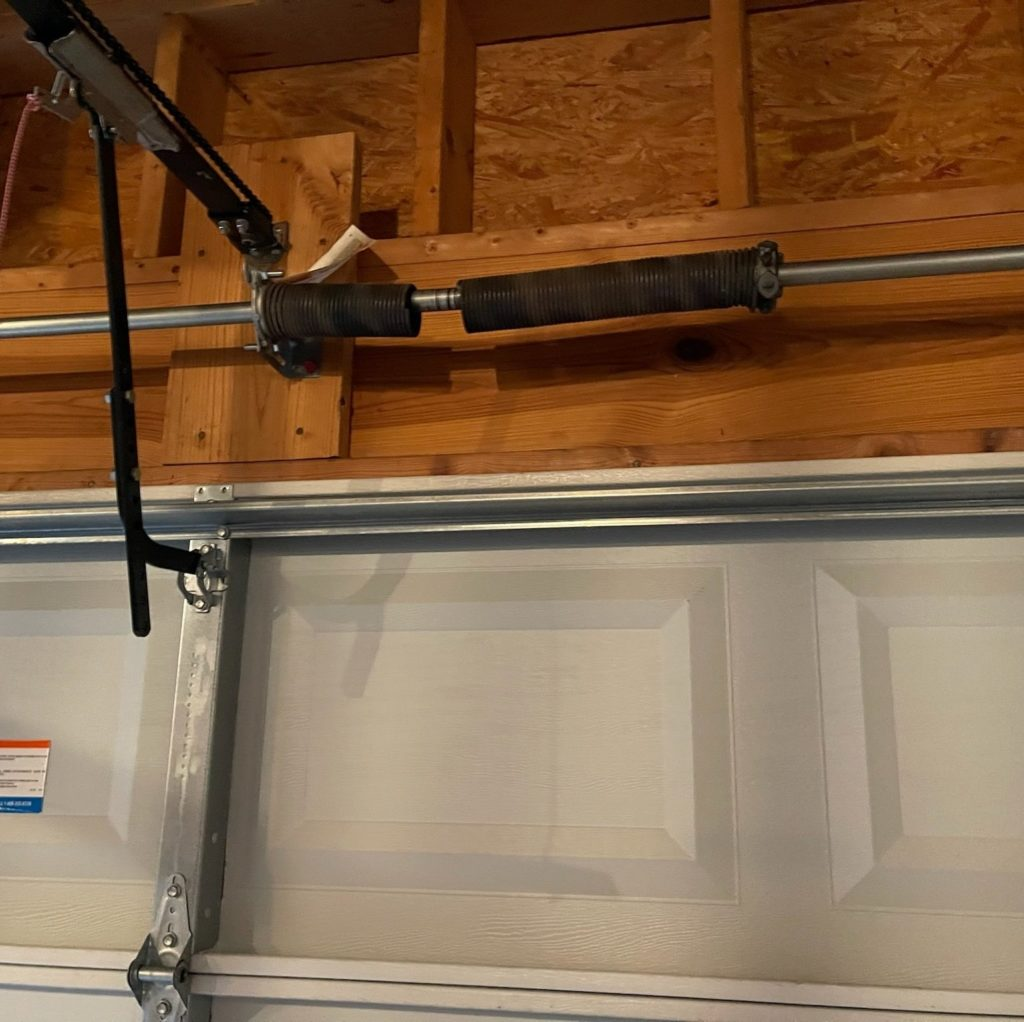
Springs are under extreme tension and are the most dangerous components to handle. Signs you need replacement:
- Visible gap in a torsion spring or a snapped spring – immediate replacement required.
- Door sags or becomes unbalanced during operation.
- Frequent need to rebalance the door after minor adjustments.
Springs are usually replaced in pairs. During a full garage door replacement, upgrading to springs with a longer cycle rating is often wise.
Cables and pulleys
Cables and pulleys transfer spring tension to the door. Replace them when you see:
- Fraying, rust, or kinks in cables.
- Worn or cracked pulleys that bind or wobble.
- Uneven lifting that suggests a cable slipping on a drum.
Because cables work with springs, technicians typically replace weakened cables at the same time as springs for safety and reliability.
Rollers and tracks
Rollers and tracks affect how quietly and smoothly a door moves. Replace when:
- Rollers are visibly worn, cracked, or made of plastic that has degraded.
- Tracks are bent, misaligned, or show persistent rust despite cleaning.
- Noise, jerking, or sticking occurs during travel.
Upgrading to nylon rollers or sealed bearings is a common choice during a garage door replacement to reduce long-term noise and maintenance.
Opener and electronics
Openers and control electronics often outlive other parts but show clear signs when replacement is due:
- Opener motor stalls, overheats, or cycles repeatedly without moving the door.
- Remote range drops, or safety sensors fail intermittently despite cleaning and alignment.
- Older chain-driven openers that cause excessive vibration—consider replacing when pairing with a new door.
Installing a modern belt-drive or smart-enabled opener during a garage door replacement improves performance and adds convenience.
Panels and weather seals
Panel damage and failing seals affect curb appeal and insulation. Replace when panels are:
- Dented, cracked, or rusted beyond cosmetic repair.
- Warped so the door no longer seals properly at the jamb.
Weather seals that are brittle or torn should be swapped out to improve energy efficiency—an important consideration in Massachusetts winters.
When to repair parts instead of replacing them
Not every issue requires part replacement. Consider repair when:
- The component has recent serviceable history and wear is minor.
- Replacement cost greatly exceeds remaining door life—repair can buy time.
- A temporary fix will allow safe operation until a planned garage door replacement.
However, if more than two major components are near failure, full replacement of the door and critical hardware is often the smarter long-term choice.
Cost ranges, timelines, permits, and warranties
Understanding local factors in Natick, MA helps set realistic expectations.
Typical costs
- Springs: replacement ranges widely depending on type and labor—budget for professional spring replacement rather than DIY due to safety.
- Cables, rollers, and pulleys: these are moderate-cost items; replacing multiple small parts during a garage door replacement is more cost-effective than single-item trips.
- Openers: expect to pay more for belt-drive and smart models; adding a new opener during a garage door replacement is common.
For exact numbers tailored to your door size and materials, schedule an on-site assessment. We explain options and savings during the inspection and can provide an itemized estimate.
Timelines
Most part replacements take a few hours on-site. A full garage door replacement typically completes in one business day, but atypical door sizes, back-ordered parts, or permitting needs can extend that timeline.
Permits and local rules
Natick has building rules that may apply when you change the door’s structural opening, add nonstandard glazing, or alter the electrical for a new opener. Small hardware swaps rarely need permits, but your installer should advise if the project triggers a local permit.
Warranties and longevity
Parts and labor warranties vary. Springs and openers often carry manufacturer warranties; reputable service providers back labor. During a garage door replacement, ask for written warranties on new parts and installation to protect your home.
Practical checklist before scheduling service
- Note unusual noises, times when the door fails to balance, and whether the opener reverses correctly.
- Photograph dents, rusted areas, and any broken components to share during a pre-visit consultation.
- Decide if you want to upgrade aesthetics or insulation along with the mechanical parts.
- Collect model numbers for your current opener if planning a like-for-like replacement.
Read related maintenance tips and seasonal care on our blog, where we post local advice to extend the life of your system.
Next steps for Natick homeowners
If you suspect failing springs, worn cables, or an aging opener, arrange a professional inspection. A trained technician can recommend which parts must be replaced during a garage door replacement and which can wait.
We offer full services and clear estimates for homeowners considering repairs or a full replacement—see our service options for details and upgrade choices.
Explore services or contact us to schedule an on-site evaluation. Prioritizing safety and local code compliance ensures your new system delivers reliability for years.
Frequently asked questions — Natick, MA
How does Natick weather affect spring life and when should I replace them?
Cold winters and temperature swings hasten metal fatigue. If springs are older than 7–10 years, show rust, or the door becomes unbalanced after a cold snap, plan for replacement. Never attempt spring work yourself—call a pro.
Can I replace just one panel or should I replace the whole door in Natick?
Single-panel replacement works when damage is localized and matching is possible. If insulation, seals, or multiple panels are failing, a full garage door replacement yields better thermal performance and curb appeal for Natick homes.
What timeline should I expect for a parts-first repair vs full replacement?
Parts-first repairs (springs, cables, rollers) typically finish in a few hours. Full garage door replacement usually completes in one day if parts are in stock. Seasonal demand may add a few days for scheduling in the spring and fall.
Are permits needed in Natick for door replacement?
Routine part swaps rarely need permits. If you change the opening size, alter structural framing, or significantly modify electrical, a permit may be required. Your installer should advise and help with any local filings.
What price range should Natick homeowners budget for a reliable replacement?
Expect a wide range: minor part replacements are a few hundred dollars; a full garage door replacement, including new hardware and an upgraded opener, can be several thousand. Request an itemized estimate to compare options and warranties.
Helpful local resources in Natick, MA
- Garage Door Repair Boston
- Garage Door Repair Cambridge
- Garage Door Repair Newton
- Garage Door Repair Lexington
- Garage Door Repair Wellesley
- Garage Door Repair Brookline
- Garage Door Repair Somerville
- Garage Door Repair Burlington
- Garage Door Repair Andover
- Garage Door Repair Weston
- Garage Door Repair Belmont
- Garage Door Repair Westwood
- Garage Door Repair Sharon
- Garage Door Repair Needham
- Garage Door Repair Concord
- Garage Door Repair Hingham
- Garage Door Repair Scituate
- Garage Door Repair Marblehead
- Garage Door Repair Natick
- Garage Door Repair Milton
- Garage Door Repair Acton
- Garage Door Repair Medfield
- Garage Door Repair Sudbury
- Garage Door Repair Wayland
- Garage Door Repair Hanover
- Garage Door Repair Tewksbury
- Garage Door Repair Carlisle
- Garage Door Repair Dover
- Garage Door Repair Hopkinton
- Garage Door Repair Framingham